

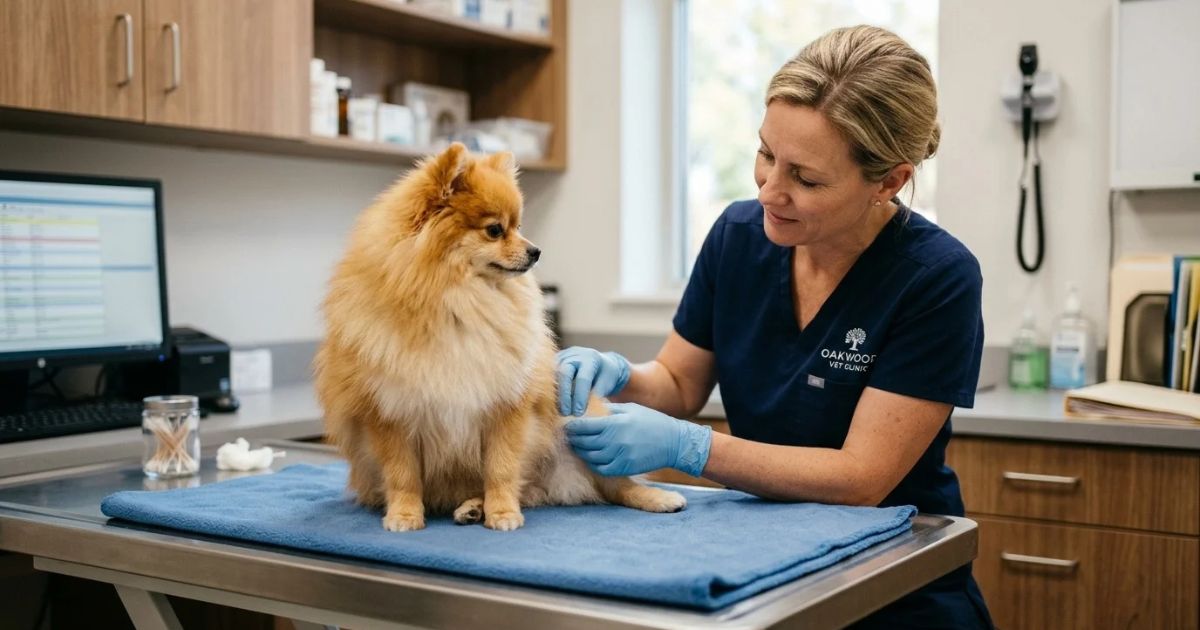
If you have ever noticed your small dog suddenly skipping a step while running, holding their back leg up for a few strides, and then returning to normal as if nothing happened, you might have witnessed a classic sign of a luxating patella. This common orthopedic condition affects dogs of all ages, though it is particularly prevalent in smaller breeds. Understanding what causes a luxating patella, recognizing the signs, and knowing how veterinarians grade and treat it can help you keep your dog comfortable and mobile.
What Is a Luxating Patella in Dogs?
A luxating patella is essentially a dislocated kneecap. In a normal canine knee joint (stifle), the patella (kneecap) sits snugly inside a groove at the bottom of the thigh bone (femur), known as the trochlear groove. As the dog bends and straightens their leg, the patella glides smoothly up and down this groove, guided by surrounding ligaments and tendons.
When a dog has a luxating patella, the kneecap slips (luxates) out of its normal groove—most commonly sliding toward the inside of the leg (medial luxation), though it can occasionally slide outward (lateral luxation). According to the American College of Veterinary Surgeons (ACVS), this displacement can happen due to a shallow trochlear groove, misalignment of the leg bones, or laxity in the surrounding joint tissues. When the patella slips out, the knee cannot extend properly, causing the leg to lock or skip until the kneecap pops back into place.
Common Signs That Your Dog Has a Luxating Patella
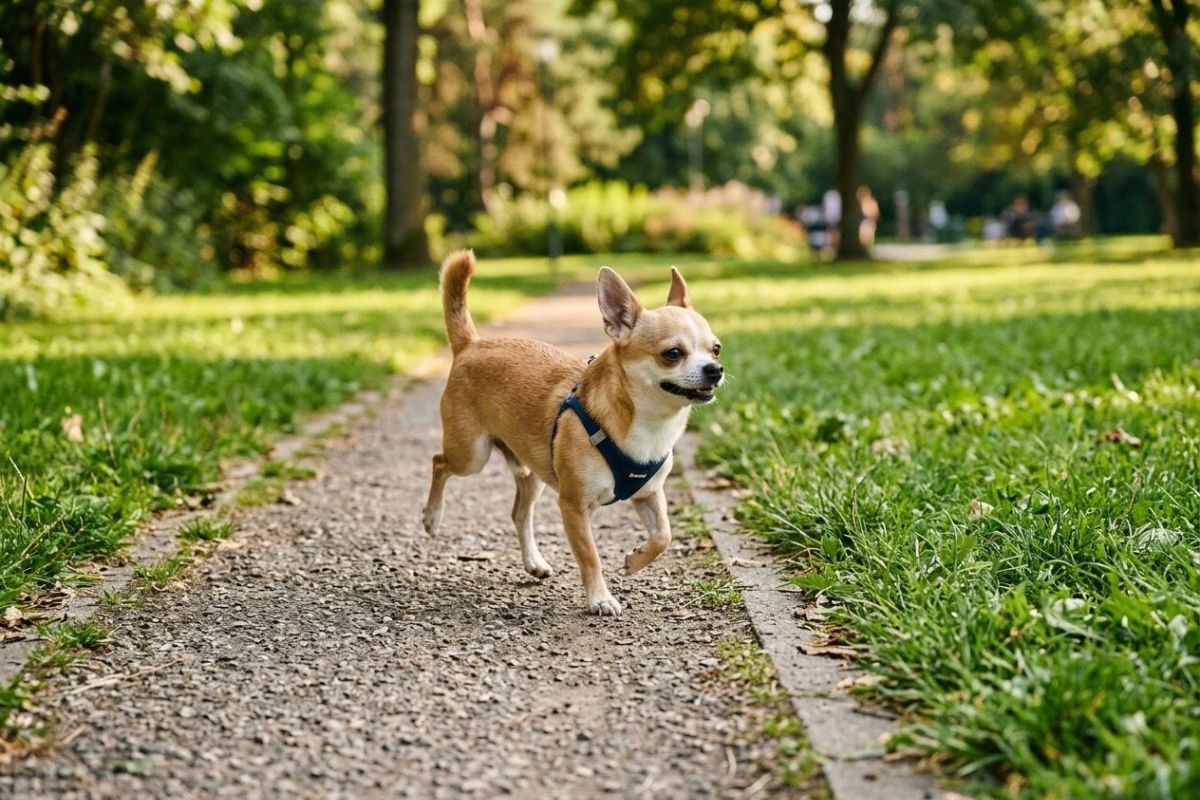
Dogs with patellar luxation often display a classic “skipping” step or briefly hold up one rear leg while moving.
Because a luxating patella frequently slips in and out of place, the symptoms can look intermittent or puzzling to pet owners. You might notice your dog behaving completely normally one minute and showing distinct signs of discomfort the next.
Common signs include:
-
The “Skipping” Step: A dog may be running or walking normally and suddenly lift or carry their hind leg for a few steps, often giving a little hop before extending the leg back out.
-
Stretching the Leg Out: Many dogs will instinctively kick or stretch their back leg straight out behind them to help pop the kneecap back into its proper groove before putting weight on it again.
-
Sudden Yelping or Discomfort: While many dogs do not show outward signs of severe pain, a sudden slip can cause a brief yelp or moment of hesitation.
-
Stiffness or Difficulty Rising: If secondary joint wear or arthritis develops over time, you might notice stiffness when your dog tries to stand up after resting.
If your dog is frequently showing signs of rear-leg discomfort, it is helpful to explore broader possibilities such as a dog limping on back leg to understand all potential causes.
The 4 Grades of Patellar Luxation
Veterinarians classify patellar luxation into four distinct severity grades based on a physical examination. According to VCA Animal Hospitals, these grades help determine whether conservative management or surgery is appropriate:
-
Grade 1: The patella rests in its normal groove but can be manually pushed out of place by the veterinarian during an exam. It returns to its normal position on its own once released. Dogs with Grade 1 often show very mild or infrequent symptoms.
-
Grade 2: The patella pops out of the groove spontaneously during normal movement or when the knee is bent, and it stays out until the dog manually manipulates the leg or stretches it back into place. This is one of the most commonly diagnosed grades.
-
Grade 3: The patella is permanently dislocated (luxated) most of the time, but the veterinarian can manually push it back into the groove. However, it quickly slips right back out again once released.
-
Grade 4: The patella is permanently dislocated and cannot be manually pushed back into the groove at all. The trochlear groove itself is typically very shallow or completely flat. Dogs with Grade 4 often have a marked, crouched-leg gait and significant structural deformity.
Causes and Risk Factors
Patellar luxation is predominantly a congenital and inherited condition, meaning dogs are often born with the anatomical predispositions that cause it.
-
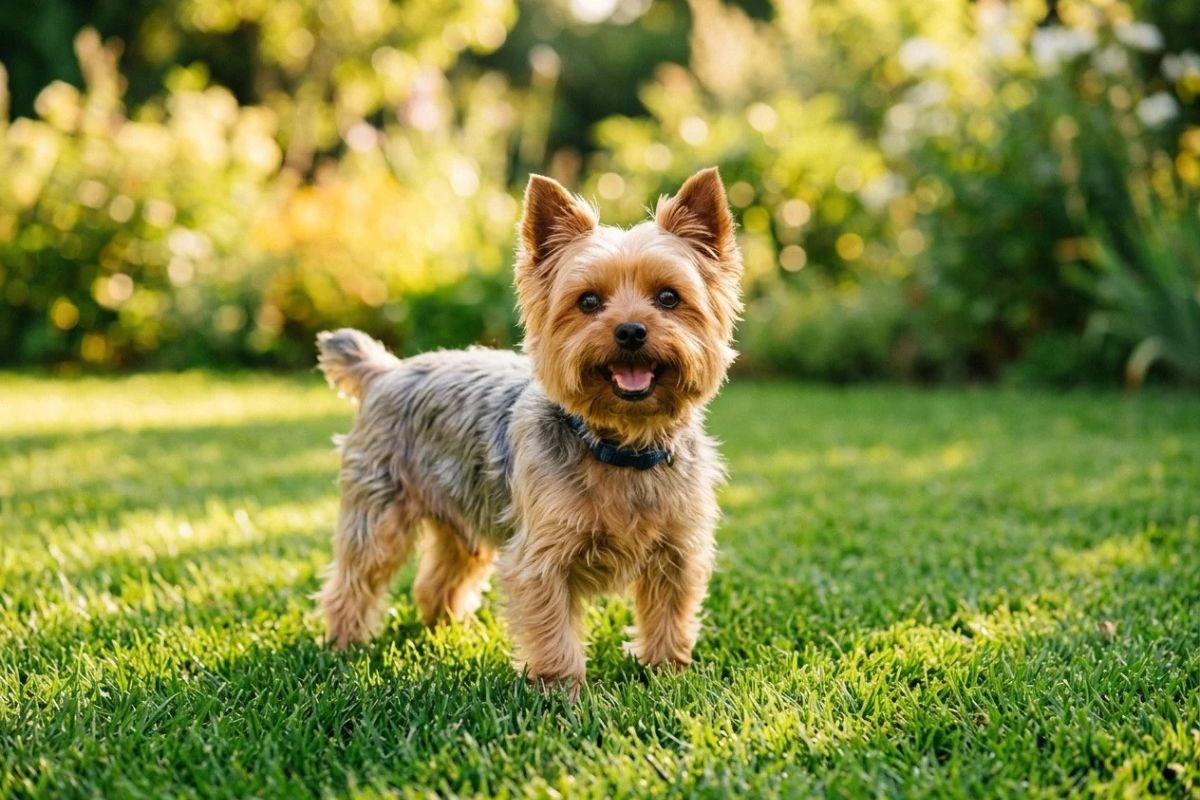
Breed Predisposition: Toy and miniature dog breeds are overwhelmingly affected. Commonly predisposed breeds include Pomeranians, Chihuahuas, Yorkshire Terriers, Toy Poodles, and Boston Terriers.
-
Larger Breeds: While less common, larger breeds can also experience patellar luxation, typically involving lateral (outward) dislocation linked to skeletal malalignments.
-
Trauma: In some cases, a sudden physical injury—such as being hit by a car, falling from a high surface, or an awkward landing—can cause a traumatic patellar luxation in a dog with previously normal knees.
Over time, repeated slipping of the kneecap causes friction and cartilage wear, which frequently leads to secondary arthritis in dogs as the animal ages.
When Do Vets Recommend Treatment and Surgery?
Not every dog with a luxating patella requires immediate surgery. Treatment decisions depend heavily on the dog’s age, weight, activity level, and—most importantly—the severity of their clinical signs and pain.
Medical Management
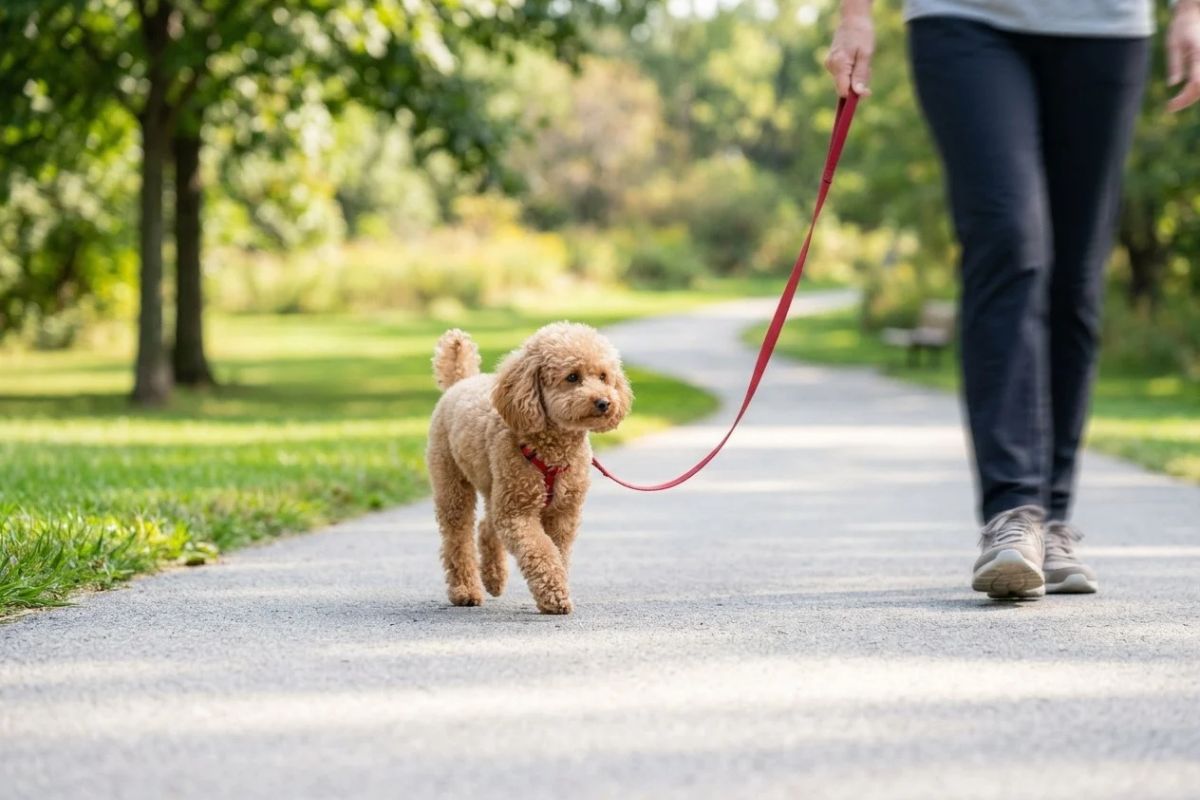
Low-impact, controlled leash walks help maintain muscle strength and support joint stability.
For dogs with low-grade luxation (such as Grade 1 or mild Grade 2) that experience minimal pain and infrequent lameness, veterinarians often recommend conservative medical management. This approach includes:
-
Weight Management: Keeping your dog at a lean, healthy weight reduces excess mechanical stress on the knee joint.
-
Controlled Exercise: Avoiding high-impact activities like jumping off tall furniture, while encouraging steady muscle-building leash walks.
-
Joint Supplements and Pain Relief: Omega-3 fatty acids, glucosamine, and short courses of anti-inflammatory medications prescribed by a vet can help manage joint comfort and inflammation.
Surgical Treatment
According to guidance from the American College of Veterinary Surgeons (ACVS), surgery is typically recommended for dogs with higher grades (Grades 3 and 4), dogs experiencing persistent pain, or lower-grade dogs whose lameness significantly impairs their quality of life.
Surgical repair usually involves a combination of techniques designed to realign the pull of the quadriceps muscle group and secure the kneecap, which may include:
-
Deepening the shallow trochlear groove so the patella has a secure channel to ride in.
-
Relocating the attachment point on the shin bone (tibial crest transposition) to straighten the pull of the tendon.
-
Tightening the joint capsule on one side and releasing it on the other to stabilize the patella.
If you suspect your dog is showing signs of kneecap instability, schedule an evaluation with your veterinarian. A professional physical exam is the only way to accurately determine your dog’s grade and establish the safest, most effective long-term care plan.
Share :

numan anwar
Pet care enthusiast sharing practical, well-researched guides to help dog and cat owners make confident everyday decisions.
Leave a comment