

Affiliate Disclosure: This article contains affiliate links. If you purchase through one of these links, we may earn a small commission at no extra cost to you. We only recommend products that are relevant to the information discussed in this guide.
Grooming your dog at home with clippers can be manageable when the grooming task is appropriate for your dog, the coat is prepared properly, and you take your time.
However, home clipping is not right for every dog or every grooming situation. The American Kennel Club (AKC) advises against attempting to clip or shave a dog without proper training, particularly when sensitive areas are involved. Source/trust: AKC, High.
This guide focuses on the practical basics: what to prepare, how to get your dog comfortable with clippers, how to approach basic clipping, which areas need extra care, common mistakes to avoid, and when professional grooming is the better option.
Before You Start: Is Your Dog a Good Candidate for Home Clipping?
Before switching on the clippers, take a few minutes to check your dog and the coat.
Grooming needs vary according to a dog’s breed, coat type, and length, so the same approach will not work equally well for every dog.
Check the Coat and Skin First
Look carefully through the coat for:
- mats or tightly tangled hair
- dirt or debris
- cuts, scrapes, or sores
- irritated or damaged skin
- foreign objects
- areas that seem painful when touched
Pay particular attention behind the ears and underneath the legs, where mats can commonly develop.
If you find a wound, sore, or other obvious injury, don’t simply clip over it. AKC recommends veterinary attention rather than trying to treat injuries yourself.
Know When to Leave the Job to a Professional
A professional groomer may be the better choice when the grooming task is beyond your experience.
This is especially important when you need to work around sensitive areas or deal with a difficult coat.
What You Need Before Grooming Your Dog
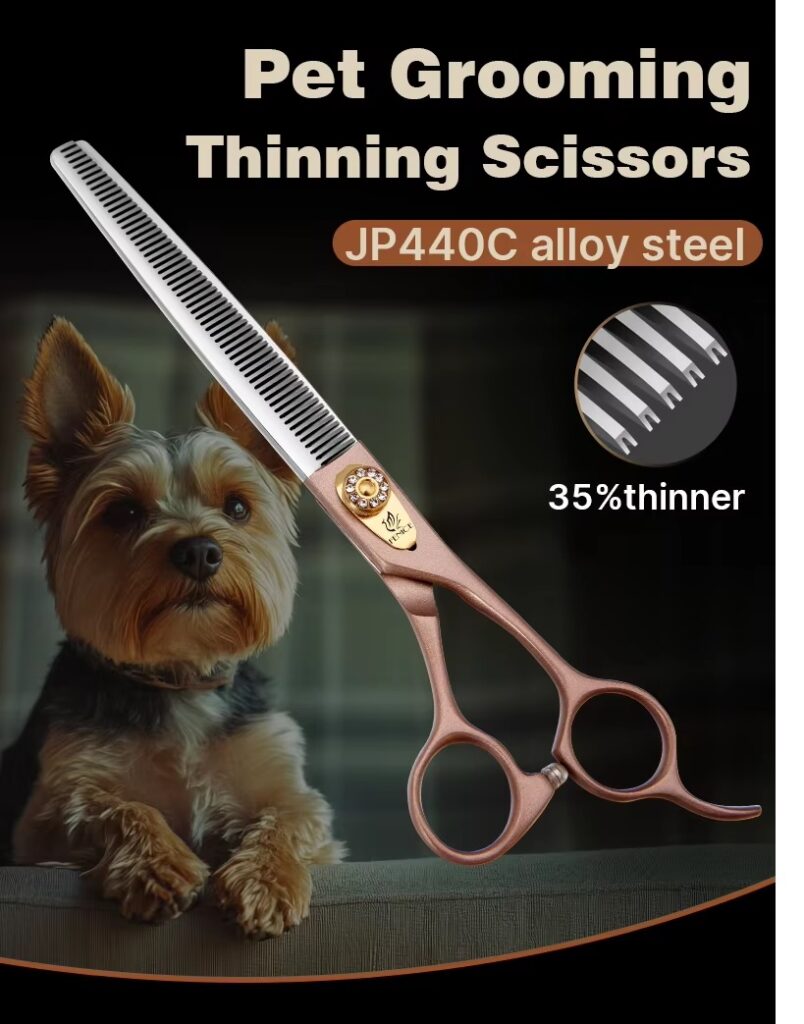
Check Fenice Pet Grooming Thinning Scissors on AliExpress
The tools you need depend on your dog’s coat and the type of grooming you’re doing.
A basic setup may include:
- pet grooming clippers
- appropriate guard combs or attachments
- a brush or comb suited to the coat
- towels and a suitable grooming area
- cleaning and maintenance supplies for your grooming tools
A Clipper Option to Consider
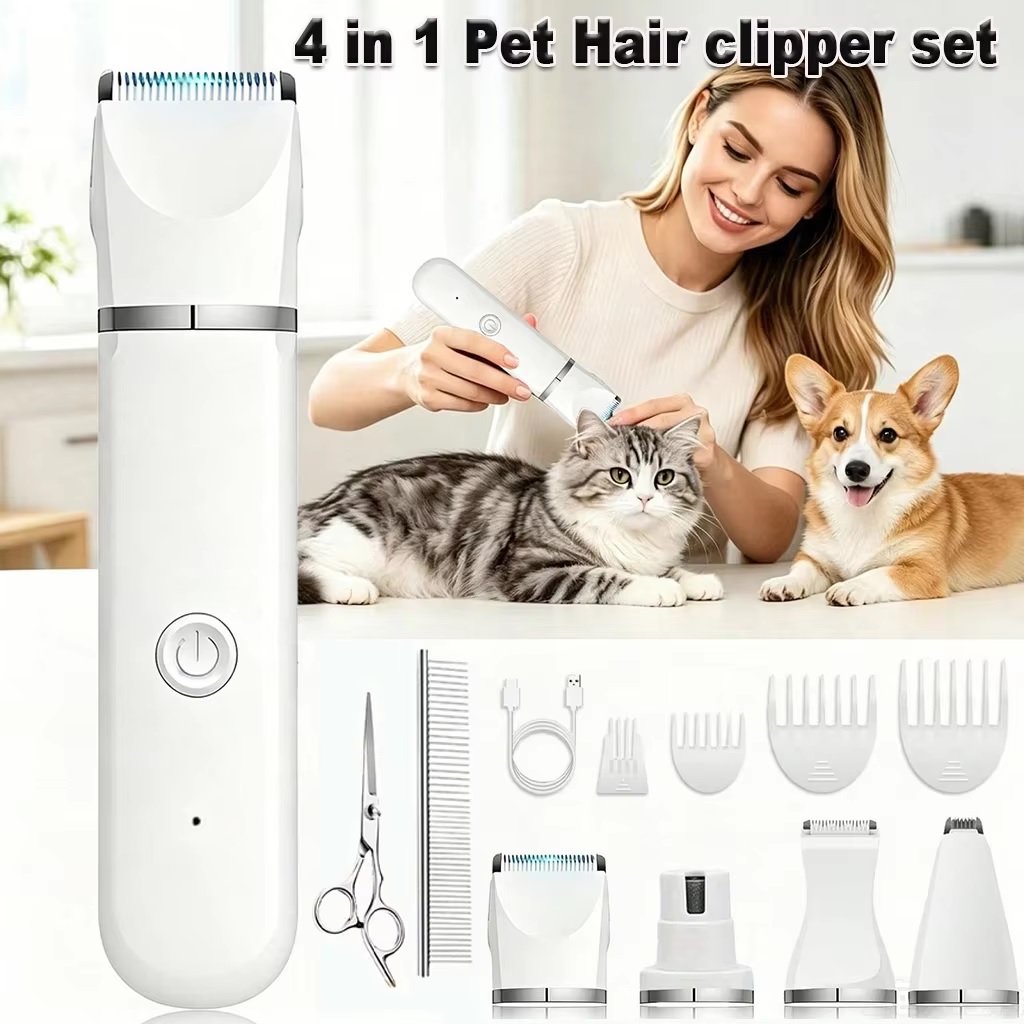
If you’re looking for a cordless pet clipper kit, the 4-in-1 Pet Hair Clipper Rechargeable Dog Cat Trimmer Kit is one option relevant to this type of grooming.
The product information supplied for this article describes it as a rechargeable, cordless, electric pet clipper with a 4-in-1 design and comb guide.
Product specifications above are based on the supplied listing information and have not been independently verified.
If you consider this type of clipper, check the actual listing for the current contents, attachments, and specifications before buying.
[INSERT MAIN ALIEXPRESS AFFILIATE LINK HERE]
Prepare Your Dog and Coat Before Using the Clippers
Good coat preparation can make the grooming process easier and can also help you spot problems before you start clipping.
Brush and Detangle the Coat
Use a brush or comb appropriate for your dog’s coat before clipping.
Regular brushing can remove dirt and debris, help prevent matting, and give you an opportunity to inspect the coat and skin.
Don’t assume you can simply run clippers through a heavily tangled coat.
Be Especially Careful With Mats
A mat is different from a simple loose tangle. Severe matting can sit close to the skin and may cause discomfort or hide problems underneath.
Do not use ordinary household scissors to cut mats close to your dog’s skin. AKC warns that a sudden movement can result in serious injury.
If the coat is severely matted or you cannot safely tell where the skin is, professional grooming is the better option.
Help Your Dog Get Comfortable With the Clippers
A dog that has never experienced clippers may react to their sound, vibration, or movement.
Instead of immediately starting a full grooming session, introduce the equipment gradually. Let your dog see the clipper while it is switched off, then introduce the sound and sensation in small steps while watching your dog’s response.
If your dog becomes highly distressed or difficult to control, stop rather than forcing the session.
How to Groom Your Dog With Clippers Step by Step
4-in-1 Cordless Pet Hair Clipper —
Once Groom Your Dog or Cat at Home your dog is reasonably comfortable and the coat is appropriately prepared, you can move on to the clipping process.
1. Start With a Manageable Area
Don’t try to create a complicated haircut on your first attempt.
Start with an area where you can maintain good control of the clipper and your dog. Work methodically instead of rushing to finish the entire coat.
2. Use the Appropriate Clipper Attachment
If your clipper comes with guard combs or other attachments, understand what each one is intended for before you begin.
There is no single guard length that is appropriate for every dog. Your dog’s coat and the type of trim you want both matter.
3. Keep Your Movements Controlled
Move the clipper carefully and avoid rushing.
The exact technique can vary with the coat and the grooming task, so don’t treat one universal clipping direction or pressure level as correct for every dog.
The important beginner principle is to keep control of the tool, monitor your dog’s skin and behavior, and stop if the situation becomes unsafe.
4. Check the Clipper Blade for Heat
Pay attention to the temperature of the clipper blade during grooming.
Hot clipper blades can burn the skin, so check the blade regularly during grooming.
If the blade becomes too hot, stop and follow the manufacturer’s instructions for cooling, changing, or maintaining the blade.
5. Take Breaks When Needed
You don’t have to complete the entire grooming session without stopping.
If your dog becomes uncomfortable, restless, or difficult to handle, take a break. Continuing while your dog is moving unpredictably can make the situation harder to control.
Be Extra Careful Around Sensitive Areas
Some parts of a dog’s body are much more difficult to clip safely than broad areas of the coat.
Face and Ears
The face and ears require particular care because of their sensitive structures and the possibility of sudden movement.
If you’re inexperienced with these areas, don’t assume that being comfortable clipping the body means you should also clip around the face or ears.
Professional grooming may be more appropriate for difficult or sensitive areas.
Paws, Legs, Underarms, and Belly
These areas can contain thin skin, folds, or awkward angles.
Slow down and maintain control rather than trying to finish quickly.
Hair around the paw pads should only be trimmed carefully if you understand the proper procedure.
Tail and Other Difficult Areas
The tail and other awkward areas may also require extra care.
If your dog moves unpredictably or you cannot maintain safe control of the clipper, stop. You don’t need to complete every difficult area yourself.
What to Do About Mats and Difficult Coats
Mats deserve special attention because they can become tightly attached to the coat and may hide the skin underneath.
Severe matting can cause discomfort and may damage the underlying skin.
Don’t use household scissors to cut through a mat close to the skin. Pets may move suddenly, making it easy to cut the skin accidentally.
For mild tangles, appropriate brushing and combing may help depending on the coat and its condition.
For severe matting, painful areas, or a coat you cannot safely work through, professional grooming is the better option.
Common Beginner Clipping Mistakes
Starting Without Checking the Coat
Skipping the initial inspection can mean missing mats, irritated skin, or injuries.
Better approach: inspect the coat and skin before clipping.
Rushing a Nervous Dog
A nervous dog may move suddenly, making careful clipping more difficult.
Better approach: introduce the equipment gradually and take breaks when needed.
Treating Every Dog the Same
Different breeds and coat types have different grooming needs.
Better approach: choose your tools and grooming approach according to your dog’s individual coat.
Ignoring Blade Temperature
A hot blade can injure the skin.
Better approach: check the blade regularly during grooming and stop if it becomes too hot.
Trying to Handle Severe Matting Yourself
Severe matting can be difficult to manage safely at home.
Better approach: seek professional grooming help when the coat is severely matted or you cannot safely work around the skin.
Trying to Finish at Any Cost
A grooming session does not have to continue simply because you started it.
If your dog becomes highly distressed or the situation becomes unsafe, stop and reassess.
When You Should Stop Grooming at Home
Stop the session if you cannot safely control the situation.
Professional or veterinary help may be appropriate when you encounter:
- significant wounds or sores
- obvious pain
- severe matting
- a grooming task beyond your experience
- a dog that cannot be safely handled for the task
- foreign objects in the eyes, ears, nose, mouth, or paw pads
If you’re unsure whether a skin problem or injury is safe to groom around, don’t guess.
Finishing and Aftercare
When you’re finished, take a few minutes to check your dog’s coat and skin.
Check the Coat and Skin
Look over the areas you groomed for obvious irritation, cuts, bleeding, or signs of pain.
If you notice something concerning, contact a veterinary professional rather than attempting to diagnose or treat the problem yourself.
Clean Your Grooming Tools
Follow the manufacturer’s cleaning and maintenance instructions for your clippers and other grooming equipment.
Optional Finishing Tool: Thinning Scissors
Thinning scissors are an optional grooming tool, not something every dog owner needs.
The Fenice Pet Grooming Thinning Scissors supplied for this article are listed as 7.5-inch scissors made with JP440C alloy steel and a 35% thinning rate.
These specifications come from the supplied product listing information and have not been independently verified.
Because this article is primarily about grooming with clippers, thinning scissors should remain a secondary option rather than becoming the focus of the guide.
Do not assume that thinning scissors are necessary, professional-grade, safer, or better than other grooming scissors without stronger evidence.
[INSERT SECONDARY ALIEXPRESS AFFILIATE LINK HERE]
What to Look for When Choosing Home Grooming Clippers
If you’re buying clippers for home grooming, think about the actual grooming job before looking at marketing claims.
Consider Your Dog’s Coat
Your dog’s coat type and length should influence your tool choice.
Check What the Kit Actually Includes
Look at the actual product listing for:
- included guards or combs
- clipper attachments
- instructions
- maintenance requirements
- charging information
- other specifications that matter to you
Don’t rely on the product photo alone.
Think About How Your Dog Reacts to Grooming
A long feature list doesn’t tell you whether your dog will tolerate a particular tool.
Your dog’s comfort and your ability to handle the equipment safely matter more than marketing language.
Verify the Listing Before Buying
For the selected 4-in-1 clipper, the supplied listing information describes a rechargeable cordless pet clipper with a 4-in-1 design and comb guide.
These are listing-level claims and are not independent performance testing.
Frequently Asked Questions
How Do You Use Clippers on a Dog at Home?
Start by checking the coat and skin, preparing the coat, helping your dog become comfortable with the equipment, and then approaching an appropriate grooming task carefully.
Sensitive or difficult areas may be better handled by a professional.
Should I Brush My Dog Before Using Clippers?
Yes, coat preparation is an important step. Brushing can remove dirt and debris, help prevent matting, and give you an opportunity to inspect the coat and skin.
How Do I Prepare My Dog Before Using Clippers?
Start by inspecting the coat and skin and helping your dog become familiar with the grooming equipment gradually.
Don’t rush a dog that is frightened or highly uncomfortable with the clippers.
What Areas Should I Be Most Careful With When Using Dog Clippers?
The face, ears, paws, legs, underarms, belly, tail, and other awkward or sensitive areas require extra care.
If you don’t have the training or control needed for a particular area, professional grooming may be more appropriate.
What Should I Do If My Dog’s Coat Is Badly Matted?
Don’t use household scissors to cut through mats close to the skin.
Severe matting can cause discomfort and may damage or hide the underlying skin. Professional grooming may be the safer option when the coat is badly matted.
When Should I Stop Grooming My Dog at Home?
Stop if the situation becomes unsafe, your dog is highly distressed, you encounter an injury or significant skin problem, or the grooming task is beyond your experience.
How Can I Tell If My Clipper Blade Is Getting Too Hot?
Check the blade regularly during grooming. Hot clipper blades can burn a dog’s skin, so stop if the blade becomes excessively hot.
Final Thoughts
Learning how to groom your dog at home with clippers is less about rushing through a haircut and more about preparation, patience, appropriate tools, and knowing your limits.
Check the coat and skin first. Brush and prepare the coat properly. Introduce the clippers gradually. Work carefully and monitor the blade temperature.
Be especially cautious around sensitive areas, and don’t try to handle severe matting or injuries casually.
If a grooming task becomes unsafe or goes beyond your experience, stopping is better than forcing the session.
The goal of home grooming isn’t to reproduce every technique a professional groomer can perform. It’s to complete an appropriate grooming task carefully while keeping your dog’s comfort and safety in mind.
Share :

numan anwar
Pet care enthusiast sharing practical, well-researched guides to help dog and cat owners make confident everyday decisions.
Leave a comment