

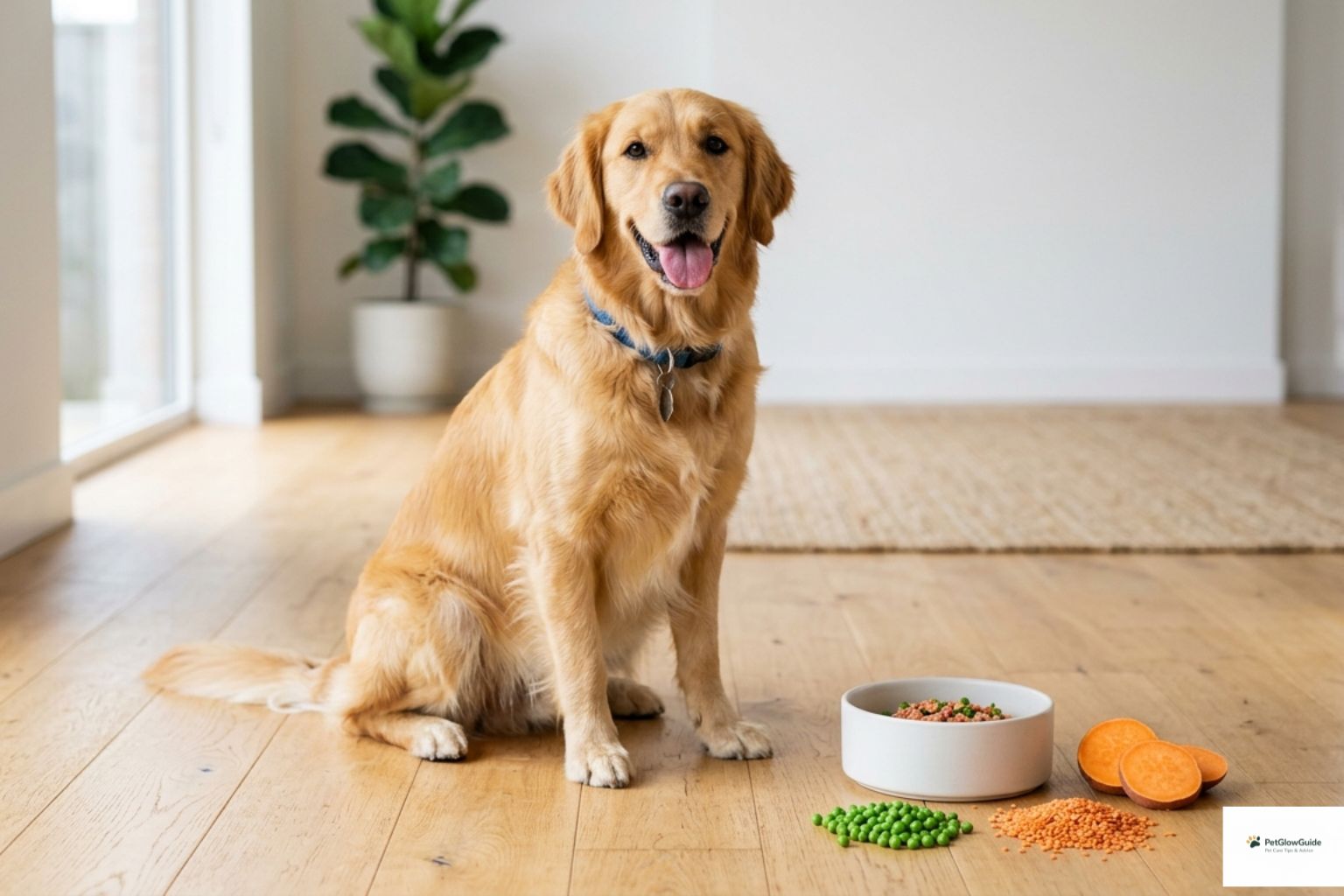
Deciding what goes into your dog’s bowl is one of the most important parts of being a pet parent. Over the last decade, grain-free dog food has exploded in popularity, moving from niche specialty stores to every supermarket shelf. But despite the marketing, many owners are left wondering: What exactly is it, and is it actually the healthiest choice for my dog?
This guide defines grain-free nutrition, explains what replaces those missing grains, and provides a clear-eyed look at the current scientific consensus on canine heart health.
What Does “Grain Free” Dog Food Meaning Actually Entail?
If you’re also comparing dry food options for dogs with yeast-related concerns, see our guide to the best dry dog foods for yeast infections.
Simply put, grain-free dog food is a diet formulated without cereal grains. While “regular” dog food often relies on grains for structure and energy, grain-free recipes remove:
- Wheat and Corn
- Rice and Barley
- Oats, Rye, and Soy
It is a common mistake to assume grain-free means “low carb” or “high protein.” Dogs need glucose for energy, and kibble requires starch to hold its shape. When a manufacturer removes grains, they must replace them with other carbohydrate sources—often in similar or even higher quantities.
What Replaces Grains in Dog Food?
To maintain the calorie count and texture of the food, manufacturers typically use two categories of ingredients:
- Legumes (Pulses): Peas, lentils, chickpeas, and beans.
- Tubers: Sweet potatoes, white potatoes, and tapioca.
These ingredients change the nutritional profile of the food. For example, peas and lentils in dog food provide more plant-based protein than corn, which is a key factor currently being studied by veterinary nutritionists.
What Is the Difference Between Grain Free and Regular Dog Food?
Neither option is “better” by default; the right choice depends on your specific dog’s biology and health history.
| Feature | Regular (Grain-Inclusive) | Grain-Free Dog Food |
| Main Carbs | Corn, Wheat, Rice, Barley | Peas, Lentils, Sweet Potatoes |
| Common Uses | Standard maintenance, high activity | Sensitive stomachs, protein variety |
| Allergy Profile | Includes gluten (rarely a dog issue) | Gluten-free by nature |
| Safety Status | Decades of proven safety data | Currently under academic study |
Is Grain Free Dog Food Good for Dogs? (The Benefits)
For the majority of dogs, grain-free food is a safe and viable option. It is particularly helpful in a few specific scenarios:
- Diagnosed Sensitivities: If a vet confirms your dog has a rare sensitivity to a specific grain.
- Managing Sensitive Stomachs: Ingredients like sweet potato dog food are often easier for some dogs to digest than heavy corn-based fillers.
- Dietary Variety: It allows owners to rotate through different protein sources (like lamb, duck, or venison) that are commonly paired with grain-free recipes.
Expert Opinion: The Truth About Canine Food Sensitivity
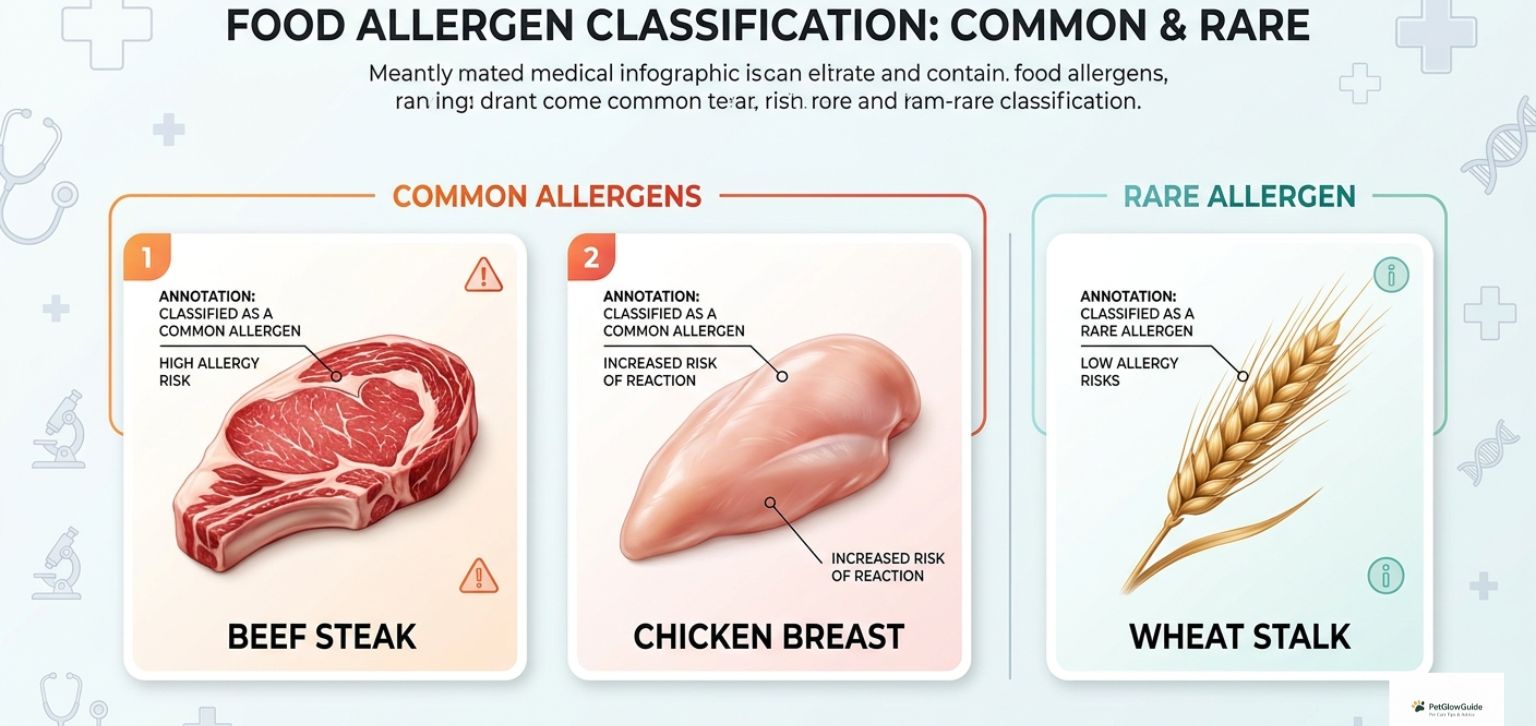
Identifying common vs. rare food allergens for dogs to improve their diet.
Many owners switch to grain-free because they notice their dog is itching or has a dull coat. However, true grain allergies are actually quite rare. According to veterinary nutritionist Kara M. Burns (VTS), the most common triggers for canine food sensitivity are animal proteins—specifically beef, dairy, and chicken. If your dog is scratching, the “grain” might not be the problem; the protein source likely is.
If your dog’s itching comes with a musty smell or greasy ears, yeast may be involved, and a vet visit matters more than a food switch. Our guide to dry dog foods for yeast-prone dogs explains what to check on the label.
The Risks: Grain Free Dog Food and Heart Disease (DCM)
The most significant discussion in pet nutrition today involves dilated cardiomyopathy (DCM)—a condition where the heart muscle weakens and becomes enlarged.
In 2018, the medical community noticed a spike in DCM cases in breeds not genetically predisposed to the disease. Many of these dogs were eating “BEG” diets (Boutique, Exotic-ingredient, or Grain-free).
The 2022 FDA Update
In December 2022, the FDA pet food investigation reached a plateau. The agency announced it would stop providing regular public updates because the data did not show a definitive, direct causal link between grain-free diets and DCM.
Instead, the FDA and the AAFCO now view DCM as “multifactorial.” This means a dog’s heart health is likely influenced by a mix of:
- Genetics: Certain breeds are naturally more at risk.
- Nutrient Ratios: How ingredients like taurine interact with high levels of legumes.
- Formulation: How the specific recipe is processed.
The takeaway: While the “FDA warning” has softened, many veterinarians still recommend caution with diets that are exceptionally heavy in peas and lentils until more research is available.
Should I Switch My Dog to Grain Free Food?
If you are considering a change, use this 3-step checklist:
- Check the Label: Does it meet AAFCO dog food standards? Look for the phrase “Complete and Balanced.”
- Consult a Professional: Ask your vet, “Based on my dog’s breed and age, is there a medical reason to avoid grains?”
- The “If It Isn’t Broken” Rule: If your dog is currently thriving, has a shiny coat, and firm stools on a grain-inclusive diet, there is usually no scientific reason to switch to grain-free.
Frequently Asked Questions (FAQ)
What is grain free dog food?
It is dog food that excludes wheat, corn, rice, and barley, replacing them with starches like peas, lentils, or potatoes.
Is grain free dog food bad for dogs?
Not inherently. However, it is not necessary for most dogs and has been linked in some studies to heart health concerns (DCM), though a direct cause is still unproven.
What do grain free dog foods use instead of grains?
They primarily use legumes (peas, lentils) and tubers (sweet potatoes, tapioca) to provide the necessary carbohydrates.
Does grain free dog food cause heart disease in dogs?
The FDA’s 2022 update states there is no proven causal link, but the association between high-legume diets and DCM is still being actively researched by veterinary universities.
Is grain free the same as gluten free for dogs?
For dogs, yes—removing all grains also removes gluten. However, unlike humans, very few dogs suffer from gluten intolerance (Celiac-like symptoms).
Share :

numan anwar
Pet care enthusiast sharing practical, well-researched guides to help dog and cat owners make confident everyday decisions.
Leave a comment